
Collecting
How to Make a Fair Pokémon Card Trade
Compare exact printings, condition, and both sides with one shared market source so everyone can decide on a trade with clear expectations.
Published
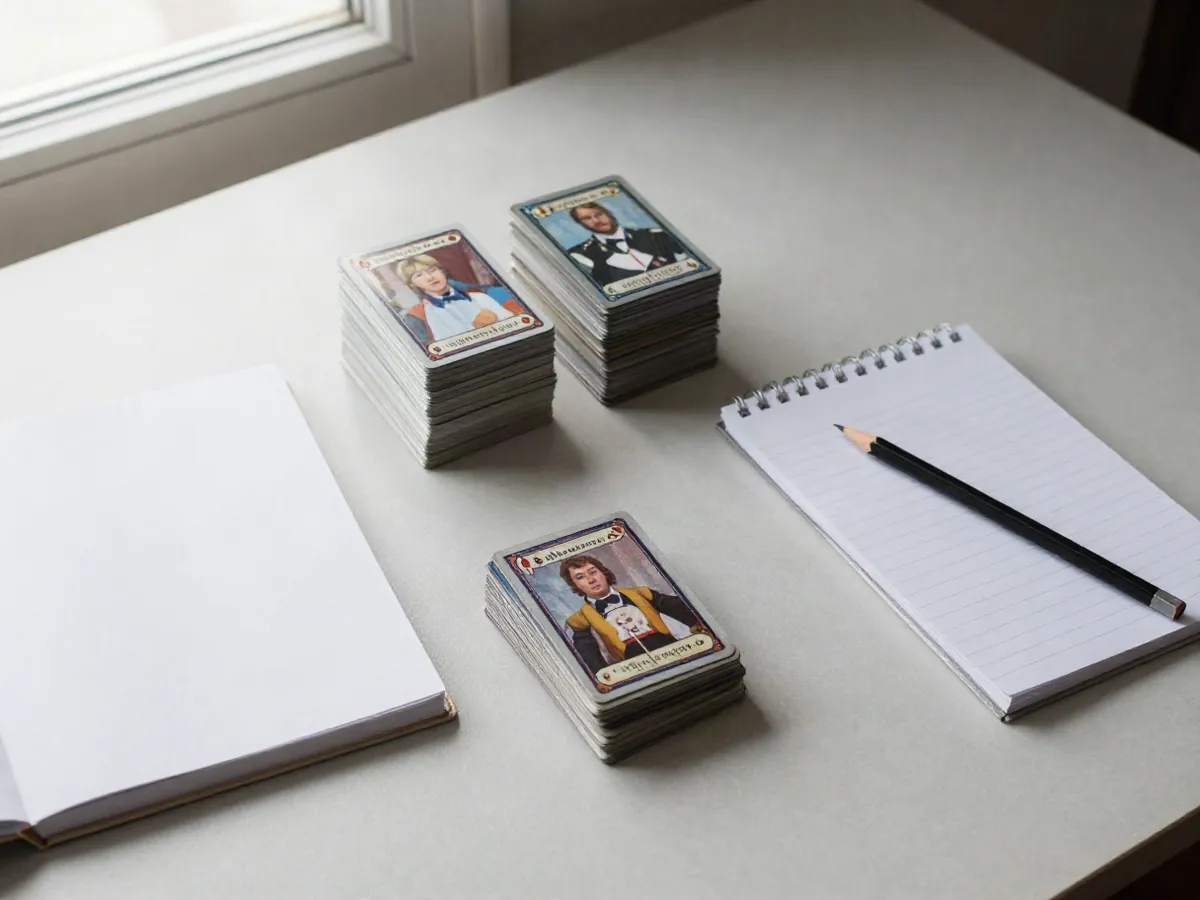
Identify the exact card and printing
Names alone are not enough to compare trading cards. The same character or card name can appear in several sets, with different artwork, rarity symbols, card numbers, finishes, or promotional markings. Even two cards that look nearly identical may have separate market records. Read the set symbol and collector number on each card, then confirm the variant before looking up a reference.
Pay attention to foil treatment and special versions. A standard card, reverse foil, stamped promo, alternate art, and reprint can each have a different listing. If a database gives several matches, do not choose the first one just because the picture looks close. Compare the printed number, set, language, and distinguishing marks. If you cannot confidently identify a card, pause that part of the tally and resolve it together rather than assigning it a guess.
Choose one shared price source
Market references are useful only when both people know what they represent. Pick a source together and apply it consistently to both sides. One site may show recent completed sales, another may show asking prices, and a third may calculate a market estimate using its own data. Mixing those methods can make one side look stronger simply because its cards were checked differently.
Use comparable versions of each reference: the same currency, the same card language, and the same condition assumption where possible. Look at the date and the activity behind a number. A recent cluster of completed sales is usually more informative than an old record or a lone listing, but thinly traded cards can still be hard to judge. When references differ, note the range and talk about why instead of silently selecting the number that favors your offer.
Agree on condition before adding values
A reference commonly assumes a particular condition, while the card in your hand may have whitening, scratches, dents, edge wear, or a bend. Inspect both traders’ cards under good light and handle them carefully. Check the front and back, corners, edges, and surface. A sleeve can hide marks, so take it off only with the owner’s permission and avoid touching the face of the card.
Describe what you can see in plain terms rather than arguing over a label. If either person is unsure, compare the card with a condition guide from the chosen marketplace or leave it out of the first calculation. Do not treat a scan as a condition certificate: image recognition can help identify a card, but lighting and sleeves can hide flaws. The goal is a shared, honest description, not a grading prediction.
- Check both sides for scratches, dents, creases, and surface marks.
- Look closely at corners and edges for whitening or wear.
- Compare cards under the same light and from the same distance.
- Use one agreed condition category for the tally, and note uncertainty.
- Keep valuable cards protected while you inspect and compare them.
Tally both sides with the same rules
Write down each card, its matching reference, and the condition assumption, then total each side independently. A card value tally can keep the arithmetic visible and reduce the chance that a small card is forgotten. Make sure every item is counted once, and do not add a sealed product or accessory to only one side without agreeing how to compare it.
For example, imagine one person offers three cards and the other offers a single card plus a small extra. Look up all four cards through the same source, confirm their exact versions, and enter the numbers in separate columns. If one card has obvious edge wear, agree whether to use a lower condition reference, leave it out, or add another card. The point is not to make every trade mathematically identical; it is to make the difference visible so both people can decide knowingly.
Keep a note of the date because references move. If you revisit the trade later, you can refresh the whole comparison instead of relying on a screenshot or remembered number. When the source does not show enough recent activity, mark that card as uncertain. Do not let a precise-looking total disguise uncertain inputs.
Talk through any difference without pressure
If the two totals are apart, first check for a lookup mistake, mismatched printing, or different condition assumption. A single variant entered incorrectly can change the comparison more than several low-value cards. Once the inputs are aligned, decide whether the difference matters to either collector. One person may be glad to trade several cards they do not use for a card they have wanted; another may prefer the totals to sit closer.
If you want to balance the offer, consider a mutually agreed extra card, or adjust which cards are included. Recalculate after any change, and state clearly what is being handed over on each side. Either person can say no or take time to think. A fair process leaves room for that answer and does not rely on urgency, embarrassment, or claims that a reference number is an official appraisal.
- Recheck card identity and condition before changing the offer.
- Ask whether the gap matters to both people; preferences are personal.
- Offer an optional extra or remove a card, then tally again.
- Let either person pause, decline, or suggest a different trade.
- Confirm the final list aloud before exchanging cards.
Common mistakes that make a trade feel unfair
Most trade disputes start with different assumptions rather than bad arithmetic. One person uses an asking price and the other uses sold listings; one counts a lightly played card as near mint; or a special foil is mistaken for a regular version. Slow down enough to make those assumptions visible before the cards change hands.
Keep the conversation respectful and specific. Avoid turning a reference into a promise about what a card will sell for later. The list below is a quick check before you finalize anything.
- Comparing different printings because the names and artwork look similar.
- Using one source for your cards and a different method for the other person’s cards.
- Ignoring condition, language, foil pattern, or a promo stamp.
- Counting a card twice, forgetting an item, or doing the totals from memory.
- Pressuring someone with a time limit or calling a market reference a guaranteed value.
Quick answers
Do both sides have to total exactly the same? No. A tally helps people see the comparison, but personal collecting goals and preferences matter. Both traders should understand the difference and choose the trade voluntarily.
Should I use asking prices or completed sales? Agree on a source and method together. Completed sales can show what buyers recently paid, while asking prices show what sellers hope to receive. Do not mix them across the two sides.
What if there is no exact listing for my card? Check the set, card number, language, finish, and promo details. If there is still no close match, mark the reference as uncertain and discuss whether to leave the card out or find another comparable source.
Can we trade if one card has damage? Yes, if both people see and understand the damage before agreeing. Describe it clearly, use a condition reference that fits, or decide together to leave the card out of the tally.
Does the tally tell me what the cards are worth? It totals the references you enter; it does not guarantee a sale, set an official value, or tell you what you must accept. Market references are not offers or appraisals.
Sources and further reading
- Pokémon TCG – official site — Official card and set information for checking names, sets, and printed card details.
- TCGplayer Help Center — Marketplace help and condition guidance for understanding listing and market references.
Keep exploring
All blog posts
How to organize Pokémon cards in binders and boxes
Build a card organization system you can maintain: sort by set and number, separate variants, choose safe binders or boxes, and keep a useful inventory.
Read article
How to spot a fake Pokémon card
No single trick proves a card is fake. Here is a calm, step-by-step way to compare print, text, card stock, back colour and light, and to know when to ask a trusted shop.
Read article