
Collecting
How to organize Pokémon cards in binders and boxes
Build a card organization system you can maintain: sort by set and number, separate variants, choose safe binders or boxes, and keep a useful inventory.
Published
Choose a system you can keep using
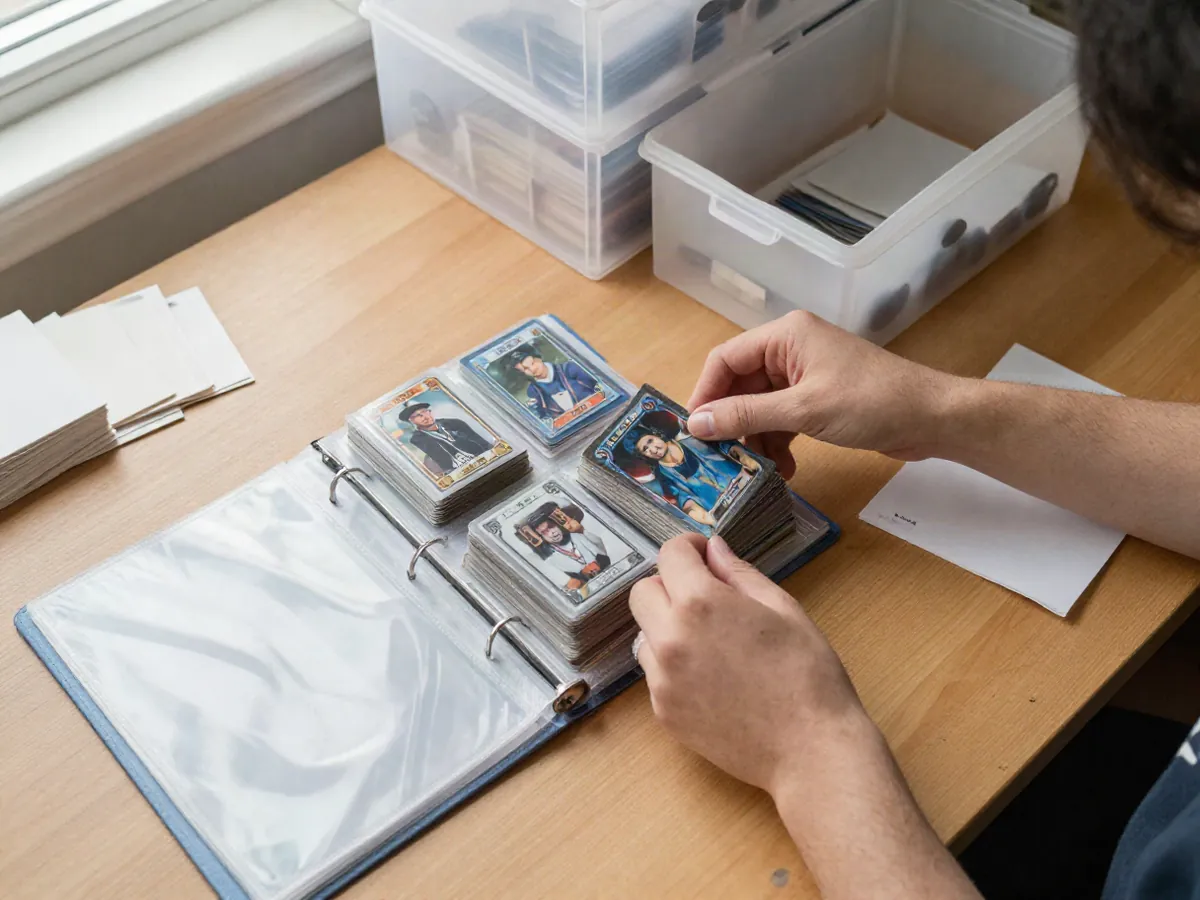
A useful collection system answers two questions quickly: where does this card belong, and how can you find it again? Before moving cards, decide what you want the collection to do. A set-completion binder, a deck-building box and a small display collection need different layouts. Trying to make one arrangement serve every purpose often creates unnecessary shuffling and handling.
For a collection organized by set, keep one set together and follow its printed card numbers. Reserve a little empty space for cards you have not found yet, or use a checklist to mark gaps. If your main interest is playing, sort playable cards by type or deck instead, and keep set-completion cards in a separate section. You can combine systems, as long as each card has one clear home.
Sort by set name, then by card number
Set symbols and card numbers make a reliable backbone for a binder. First group cards by the set name or symbol printed on each card. Within a set, arrange them by collector number, usually shown near the bottom edge. Follow the number as printed, including a numerator and denominator when present; do not assume that alphabetical order or rarity is the same thing as the set sequence.
Check the card carefully when a number appears unusual or a card has no obvious set symbol. Promos, special releases and older cards may use a different numbering pattern. A scan can help identify a likely match, but confirm the name, set, number and artwork against the card itself before filing it. Similar names and alternate printings are easy to confuse in a large collection.
A checklist makes missing cards visible without repeatedly pulling every page apart. Leave intentional gaps in a binder or use a written list, and mark a card only after you have checked the exact version. For a set with more cards than binder pockets, split it into clearly labeled volumes and note the number range on each spine.
- Write the set name and number range on the binder or box label.
- Keep each set in ascending collector-number order.
- Mark missing cards on a checklist instead of reserving many empty pockets.
- Put promos and cards from special releases in a labeled section if their numbering differs.
- Record where a set continues if it spans more than one binder.
Keep variants and condition differences distinct
Two cards with the same character or title may still be different entries. Holo and reverse-holo versions, stamped cards, promos and alternate artwork can have separate set numbers or finishes. Keep each version in its own pocket or clearly marked divider, and use the printed number and finish to distinguish them. A binder should let you tell what you own without taking every card out to compare it.
Condition is another useful note, but it does not need to dictate the whole filing system. A played card can remain in its set position while a note records edge wear, a crease or a surface mark. If you keep a cleaner duplicate, place it behind the first copy or in a duplicate section, and label the difference. Avoid stacking a damaged copy directly against a clean one if rough edges could rub.
Choose sleeves and binders that fit the cards
A clean sleeve helps limit fingerprints and surface abrasion during ordinary handling. Choose sleeves made for trading cards, with a fit that does not force the card into the opening or leave it loose enough to slide around. If you use an inner sleeve and an outer sleeve, insert the card gently and avoid pressing on corners. Never push a card into a sleeve that has dust, grit or a damaged seam inside.
For binder storage, use pages designed for trading cards and a binder that closes without bending the pages. Side-loading pockets can reduce the chance of a card slipping out when the binder is moved, though the pocket should still be checked for a secure fit. Keep pages from bulging; overfilling can put pressure on corners and make cards harder to remove safely.
- Use a clean, undamaged sleeve for each card you handle often.
- Check that pocket openings and seams are intact before loading pages.
- Leave room so binder pages lie flat when the binder is closed.
- Keep binders dry, shaded and at a steady indoor temperature.
- Handle cards by their edges and avoid touching the face of the card.
Use boxes for duplicates and cards you rarely browse
Boxes work well for bulk cards, duplicates and collections that do not need to be viewed page by page. Choose a box that holds cards upright with dividers, without squeezing them tightly or leaving so much room that they slump. Add labeled dividers for set, number range, deck or other categories you actually use. Keep one category per section so a quick search does not turn into a full-box reshuffle.
Protect cards that matter to you with sleeves even when they live in a box. Put sleeved cards in a row with the openings facing consistently, and avoid rubber bands, clips or heavy objects pressing on the stack. A box is not protection from water or temperature extremes, so store it on a shelf rather than on a basement floor, near a window or beside a heater.
Keep a simple list of valuable cards
A short inventory makes it easier to remember what you own, where it is stored and which cards you want to check again. You do not need to record every common card. Start with cards that are personally important, hard to replace, or worth tracking for a possible trade. Write the card name, set, number, finish, condition note and its storage location. Include the date whenever you add a market reference, since references can change over time.
For example, an entry might say: card name, set abbreviation and number, reverse holo, light corner wear, binder 2 page 8, checked on a particular date. The note is useful even if you later move the card, because you can update the location without losing its identity. A card-value tally can add the references you enter, but treat the total as a dated snapshot rather than an offer or appraisal.
Keep the list in a place you can update, and make a backup if it would be difficult to rebuild. When you trade, sell or move a card, change the record promptly. For a large collection, maintain a simple index by binder or box and a separate detailed list for the cards you actively track; this avoids turning routine sorting into paperwork.
- Card name and exact set/card number.
- Finish or version, such as regular holo, reverse holo or promo.
- Condition observations, written plainly rather than as a grade.
- Storage location, including binder or box and page or divider.
- Date checked and the source of any market reference.
Avoid common organizing mistakes
The most frustrating storage problems usually begin with rushed sorting. A pile labeled only 'rare' quickly becomes hard to search, because rarity symbols, set identity and card finish answer different questions. Likewise, putting every card with the same character together can split a set and make a checklist unreliable. Use labels that describe the organizing rule, not just a vague impression of importance.
Repeatedly removing cards to check their identity can cause corner wear, especially if cards are handled over a hard or dirty surface. Prepare a clean space, check the printed details once, and place each card directly into its sleeve or temporary identification section. Do not clean cards with household sprays, wet cloths or erasers; those can damage the finish.
Finally, avoid making a storage choice based only on a reference number. Market references are informational, not offers to buy and not appraisals. If you track values, keep the card's condition and version beside the dated reference, and remember that a number for one printing may not describe another. Organize first for safe storage and easy retrieval.
- Mixing regular and reverse-holo versions in the same unlabeled pocket.
- Overfilling a binder page or forcing cards into tight sleeves.
- Using rubber bands, sticky notes or adhesive directly on cards.
- Keeping boxes on damp floors or in direct sunlight.
- Treating a reference value as a guaranteed sale amount or formal appraisal.
Quick answers
Should I organize by set or by type? Choose the order that makes the collection easiest for you to use. Set and collector number work well for completing sets; type or deck is practical for building and playing. Store separate purposes in separate, labeled sections.
Should every card go in a binder? No. Binders are handy for cards you like to browse, while boxes are practical for duplicates and cards you rarely handle. Use sleeves and supportive storage for cards you want to protect, whichever format you choose.
How can I tell which version I have? Compare the printed set number, symbol, language, artwork and finish. If details do not line up, keep the card in a temporary labeled sleeve while you identify it rather than guessing.
How often should I update my inventory? Update it when cards move, leave or join the collection. If you record market references, add a date each time and check the exact version and condition. The list is for organization and comparison, not a promise of what a card will sell for.
Sources and further reading
- Pokémon TCG – official site — Official information and card resources.
- TCGplayer Help Center — Marketplace help and guidance about listings and market references.
Keep exploring
All blog posts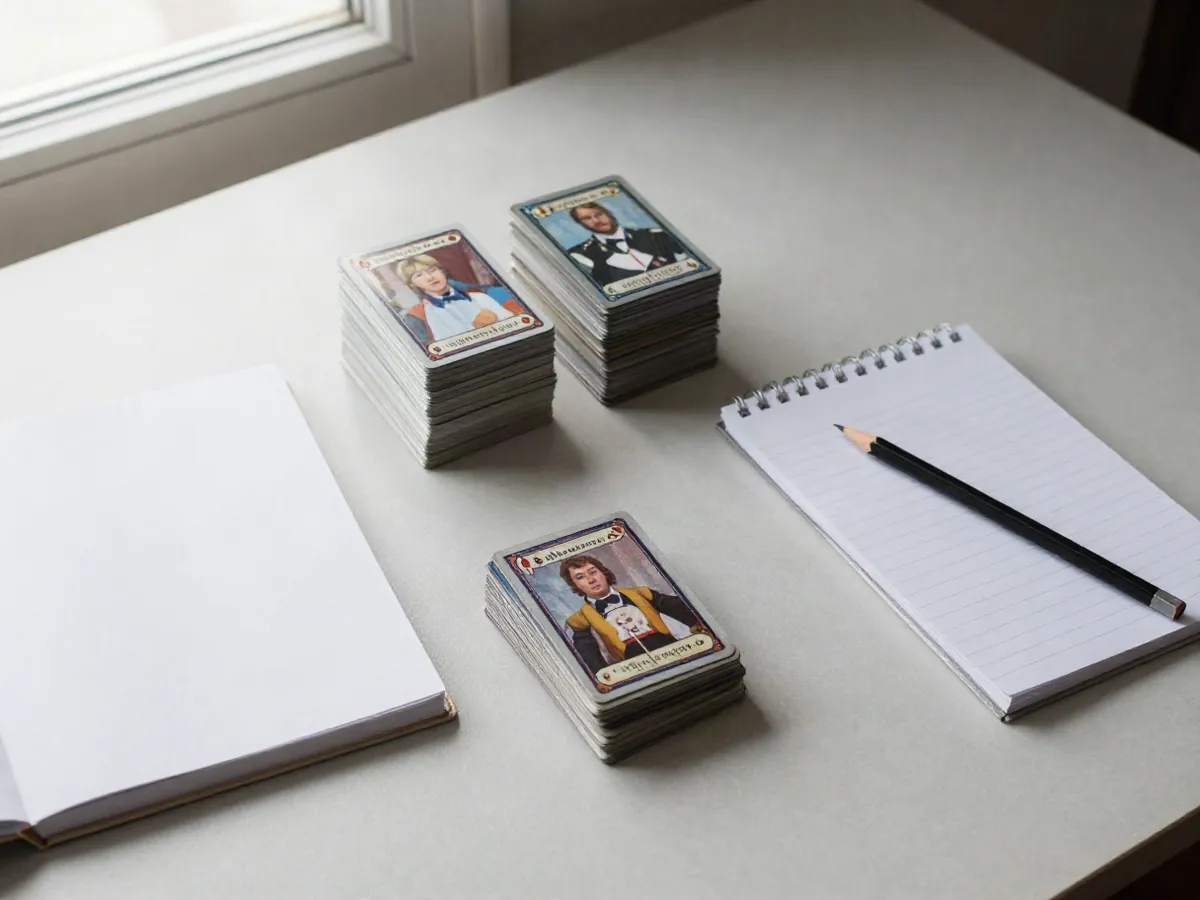
How to Make a Fair Pokémon Card Trade
Compare exact printings, condition, and both sides with one shared market source so everyone can decide on a trade with clear expectations.
Read article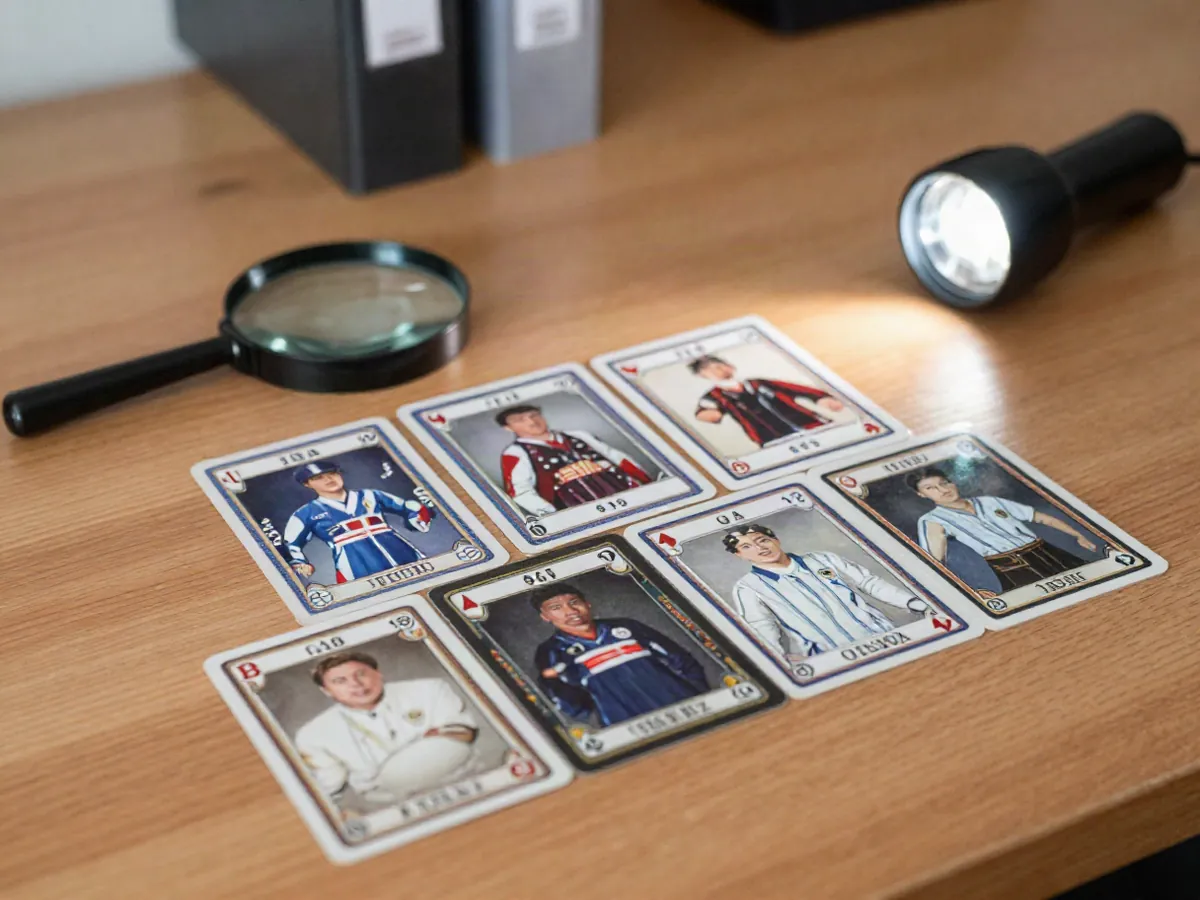
How to spot a fake Pokémon card
No single trick proves a card is fake. Here is a calm, step-by-step way to compare print, text, card stock, back colour and light, and to know when to ask a trusted shop.
Read article