
Card values
Market price vs sold price: which number to trust
A market price is a summary, a sold listing is one sale. Learn what each number tells you, how fees and shipping change it, and how to pick one for a trade.
Published

What a market reference price actually summarises
A market price on a card listing site is a summary number, not a quote from a shop. Marketplaces such as TCGplayer describe their market price as a figure built from recent completed sales of that card, so it leans on what buyers actually paid rather than on what sellers hoped to get. The exact method belongs to the marketplace and can change, which is why it is worth reading their help pages instead of assuming.
Because it is a summary, it smooths over details. It usually blends different sellers, different days and sometimes different conditions into one figure. For a popular card that trades every day, that works well. For a card that sells rarely, the figure may rest on only a few sales, and one unusual sale can move it. Think of it as a good starting point for a conversation, not a final answer.
Why individual sold listings vary
Two copies of the same card can sell in the same week for different amounts. Condition is the obvious reason, but it is not the only one. Photo quality, seller reputation, how fast the seller ships, whether the card was part of a bundle, and even the time an auction happened to end all push a sold number up or down. Sometimes the listing is simply a different printing, such as a reverse holo or an early edition, that looks the same at a glance.
That is why a single sold listing is one data point, not a verdict. If you want to use sold listings, look at several recent ones in the same condition and the same printing, then focus on the middle of the group rather than the highest or lowest sale. The spread between them tells you how confident you can be in any one number.
Fees, shipping and what you actually keep
A sold price is what the buyer paid for the item. It is not what the seller took home. Marketplaces charge selling fees, payment processors take their share, and the seller still has to pay for packaging and postage. Fee schedules differ between platforms and change over time, so check the current numbers on the platform you use instead of relying on a figure you remember.
Shipping also muddies comparisons on the buyer side. One listing may include shipping in the item amount while another charges it separately, and the same card can look cheaper or more expensive depending on which you compare. When you line up sold listings, compare the total the buyer paid, or strip shipping from all of them, but do not mix the two.
- Item price: the number shown on the sale itself.
- Shipping charged to the buyer: sometimes separate, sometimes built into the item amount.
- Marketplace and payment fees: taken from the seller's side, so check the current schedule.
- Packaging and postage: sleeves, a top loader, a bubble mailer and tracking if you use it.
How to pick one price type for a trade
The most common cause of an argument over a trade is not the cards, it is the numbers. One side quotes a market reference while the other quotes the lowest current listing or a single high sale. Neither is wrong, but they are different measurements, and adding them together is how a fair trade starts to feel unfair.
Imagine you offer three cards that add up to 12 on a given reference and the other person offers cards that add up to 11 on the same reference. That looks close and easy to settle. If your side was counted with market references and theirs with lowest listings, the same pile could look very different. Agree on one method before anyone starts adding.
- Agree on the source (for example the same marketplace) and on the price type, such as the market reference or recent sold listings.
- Match the condition. Use the figure for near mint copies only for near mint cards, and a lower reference for played copies.
- Check the printing. Holo, reverse holo, first edition and the specific set can all change the number.
- Add both sides with the same method, then talk about adjustments for shipping or fees as a separate step.
Common mistakes when reading card values
These slips come up again and again in trade chats and in collection tallies. None of them are hard to avoid once you know to look for them.
- Comparing the lowest listing on one side with a market reference on the other.
- Using the sold price of a graded copy to value a raw card, or the other way round.
- Ignoring condition, so a lightly played card gets the near mint number.
- Treating a reference as a guaranteed offer, or checking once and never again. Markets move, and a number from last month may be out of date.
Quick answers
Which number should I trust? Trust the one you can explain. A market reference is handy for quick totals because it summarises many sales, while a set of recent sold listings in matching condition is better when you are looking at a single valuable card. Whichever you choose, use it for every card in the same comparison.
Is the market price what I will get if I sell? Not exactly. After fees, shipping costs and the time it takes to find a buyer, the amount you keep is usually lower than the number on the screen. Use the reference to understand where a card sits, then work out your own net with the current fees of the platform you plan to use.
Where does Card Value Scanner fit in? On Android you can scan cards and keep running totals in one place, and the value tally tool lets you add cards up with the same reference for each one. The numbers are market references to support a conversation, not offers, guarantees or appraisals.
Sources and further reading
- TCGplayer Help Center — Marketplace documentation on how reference prices and fees are described.
- Pokémon TCG on Pokemon.com — Official background on the trading card game and its products.
Keep exploring
All blog posts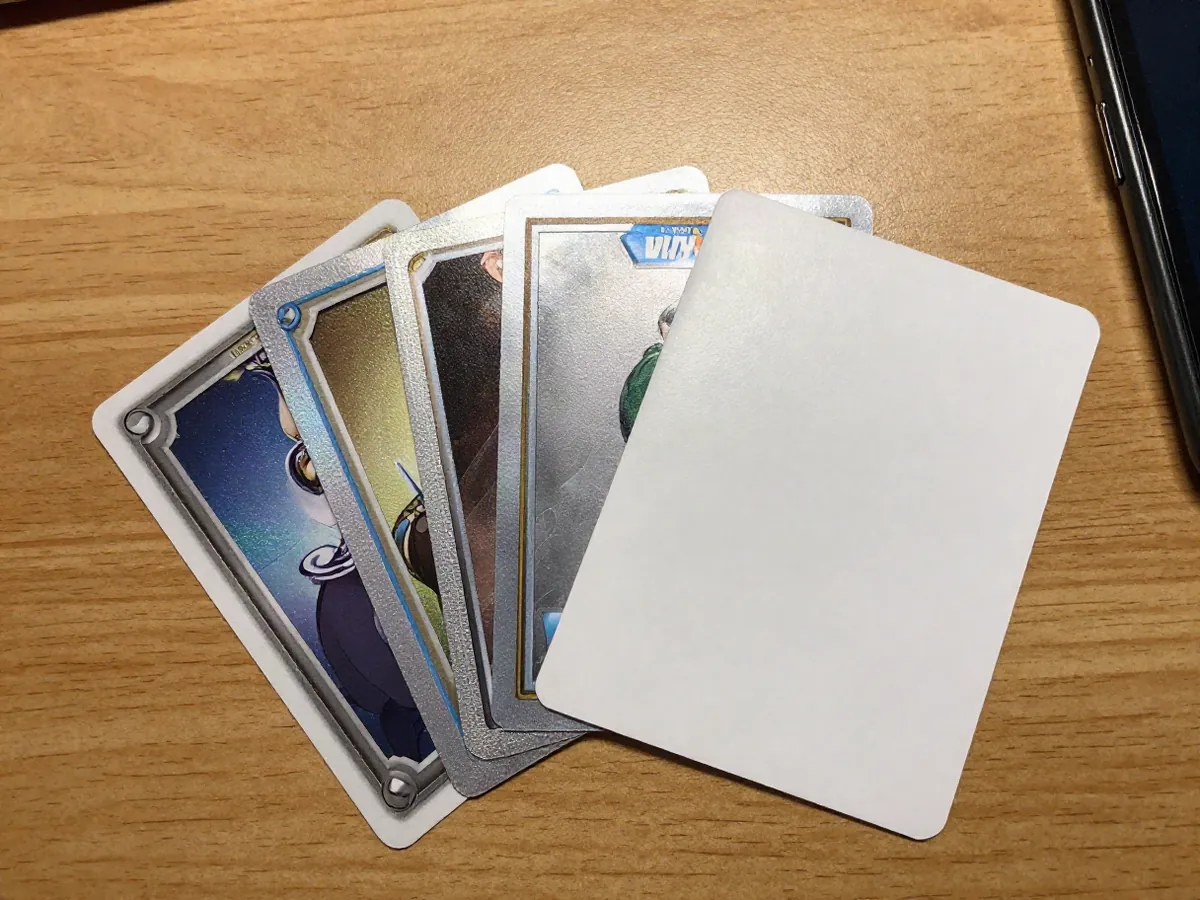
Holo, reverse holo and non-holo: telling printings apart
Where the foil sits, why one card number can carry several market values, and how to pick the right printing when a scan returns more than one match.
Read article
How to scan trading cards with your phone and get a clean match
Light, glare, focus, framing and sleeves decide whether a scan lands on the right card. Here is how to fix each one, and what to do when the first match is the wrong printing.
Read article